



Product Overview
|
Material |
Random Polypropylene |
|
Size |
full 20mm through 63mm available |
|
Pressure Rating |
2.5MPa or other nominal pressures availale upon request |
|
Installation |
Welding, fusion |
|
Color |
white, green, gray, or customized color |
|
Joint |
Joining pipe and socket joint fittings by socket fusion joint |
|
Packing |
Export package or as customer's request |

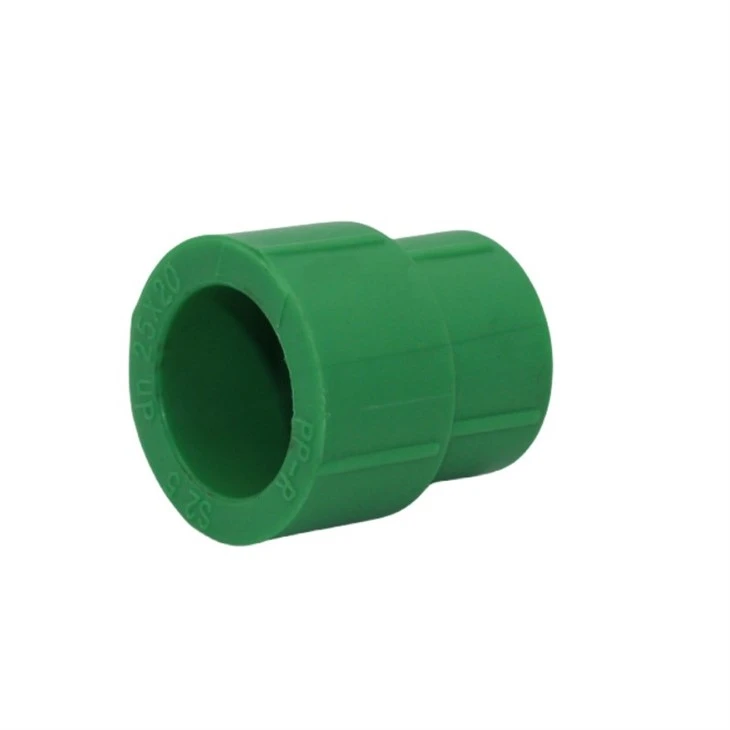
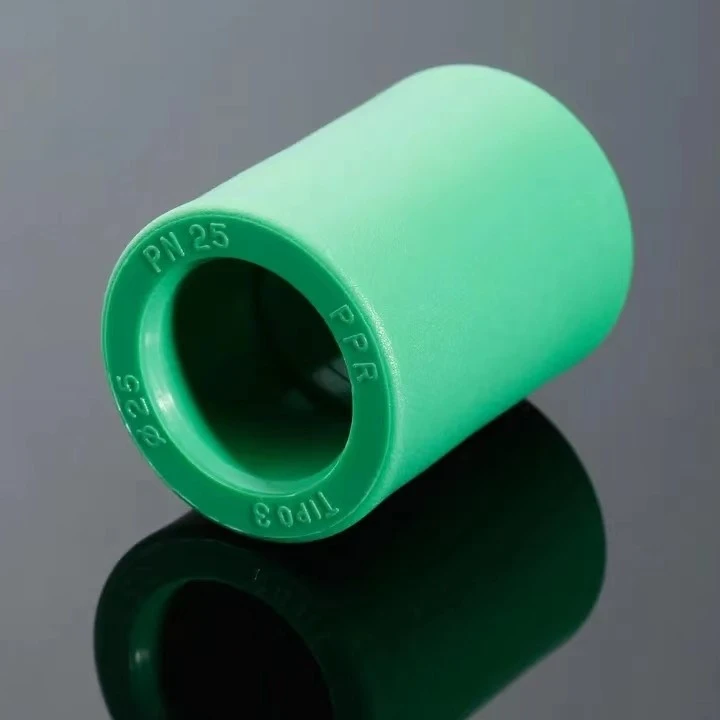
PPR Socket Fitting is a type of socket used in PPR pipe systems. It allows for the connection of two pipes of the same size in a straight line, providing a continuous and leak-free flow of fluid. The socket is designed with equal ends, meaning that both sides of the socket are the same size.
To use the PPR Equal socket fitting, the ends of the pipes to be connected should be cleaned and deburred. The socket is then inserted into one end of each pipe and pushed together until they meet in the center. The socket is then heated with a special tool until the PPR material melts and fuses the two pipes together, creating a permanently sealed joint.
PPR Equal sockets are commonly used in a variety of different applications, including domestic and industrial plumbing, heating systems, and agricultural irrigation systems. They are preferred over other types of piping systems due to their high durability, reliability, and resistance to corrosion. Additionally, PPR sockets can withstand high temperatures and pressures, ensuring safe and efficient fluid transportation.
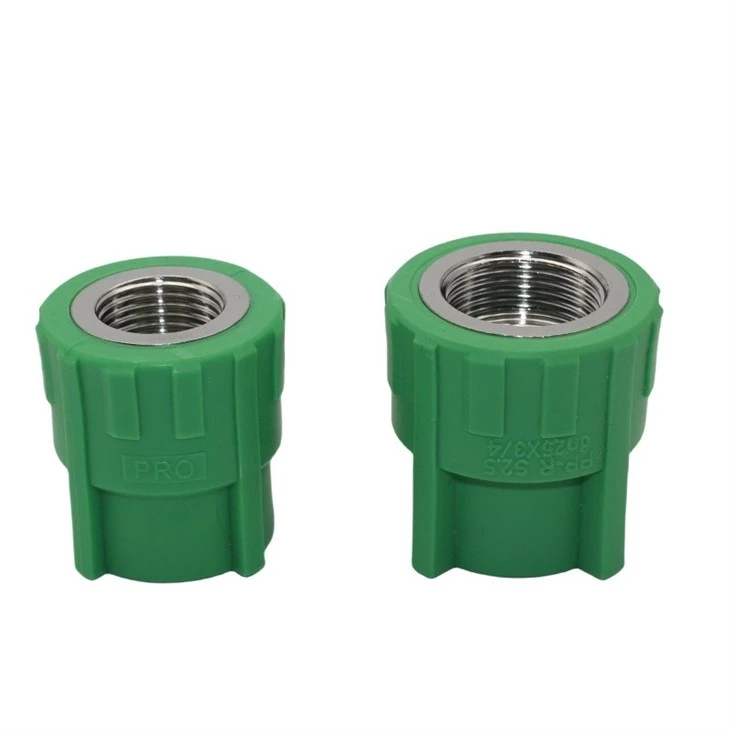
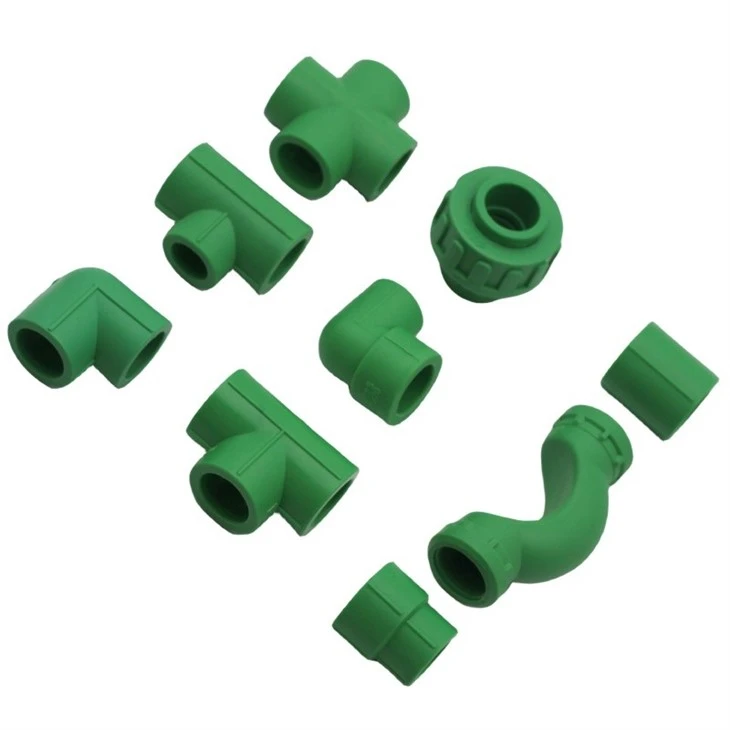
PPR fittings such as elbows, tees, adapters, etc. enable pipes to be routed in different directions to construct a piping system. Using compatible PPR fittings manufactured by the pipe brand is crucial to achieve proper fusion and prevent leaks.
How to ensure the quality of PPR pipe during production:
1. Use High-Quality Raw Materials
The quality of PPR pipes largely depends on the raw materials used. Therefore, it is essential to select high-quality raw materials such as polypropylene (PP) resin and additives that meet the specified standards. Using low-quality raw materials can result in a lower quality PPR pipe and cause problems such as cracks, leaks, and insufficient strength.
2. Control the Extrusion Process
PPR pipe production involves extrusion, which is a critical process that determines the properties of the final product. To ensure the quality of PPR pipes, it is necessary to precisely control the extrusion process parameters such as temperature, pressure, and speed. This will help to minimize variations in pipe wall thickness, improve dimensional accuracy, and enhance mechanical properties.
3. Conduct Rigorous Testing
Quality control and testing are crucial steps in ensuring the quality of PPR pipes. During the production process, various tests such as pressure testing, melt flow rate testing, and density testing should be conducted to ensure that the pipes meet the required standards. These tests help to verify that the pipes are strong, durable, and have excellent thermal resistance properties.
4. Ensure Proper Storage and Transportation
PPR pipes should be stored and transported properly to prevent any damage that may occur during these processes. It is essential to protect the pipes from exposure to sunlight, moisture, and extreme temperatures. Properly packaging and transporting the pipes can also help to prevent any potential damage during transit.
How to maintain pPR pipe on a daily basis:
1. Inspect the pipes regularly: Check the PPR pipes for visual signs of wear and tear, such as cracks, discoloration, or bulging. If any of these issues are found, take immediate action to repair or replace the damaged section.
2. Avoid using harsh chemicals: PPR pipes can react negatively to chemicals like bleaches, acids, and solvents. Therefore, avoid using such cleaners to avoid any potential damage to the pipes.
3. Keep the pipes clean: PPR pipes can accumulate debris or sediment buildup over time, leading to blockages or clogs. Make sure to keep the pipes clean by regularly flushing them with water or using a gentle cleaning solution.
4. Check the joints: The joints between the PPR pipes can become loose or damaged, leading to leaks. Check the joints regularly, and tighten them if necessary or call a professional plumber if needed.
5. Protect the pipes from external damage: Avoid placing heavy objects or applying pressure on the PPR pipes, which can lead to fractures or deformation. Keep the pipes away from any sharp objects or tools that could puncture or damage them.
Under the current background of increasing environmental awareness, PPR pipe, as a green environmental protection product, has the characteristics of renewable and not easy to be polluted, and is favored by more and more markets. In the future, through technological improvement and innovation, PPR pipe fittings will have greater breakthroughs in pressure resistance, corrosion resistance, heat resistance and other aspects to provide a better use experience.

As an innovative manufacturer of high-performance plumbing products, Zhuji Primy Pipe Co., Ltd. offers a full line of PPR pipes and fittings crafted to deliver strength, ease of use and an attractive appearance.
Working from a complete plumbing system, we map out each stage of the process from initial inquiry to final sale and dispatch. we focus on understanding each client's unique needs and offer customized solutions to ensure satisfaction from all our clients.
Hot Tags: PPR plastic socket fitting, China PPR plastic socket fitting manufacturers, suppliers, factory


