

PEX-AL-PEX System
Why Choose Us
Timely delivery
We understand the importance of meeting deadlines and ensuring timely delivery of our products. With our efficient logistics network, we can deliver your order promptly, no matter the size or location.
Our Service
we focus on understanding each client's unique needs and offer customized solutions to ensure satisfaction from all clients.
Wide Range of Applications
Our products are widely used in the fields of Residential and commercial water supply, Underfloor heating system, Natural gas transmission, Compressed air lines, etc.
Cutting-edge technology
We constantly invest in the latest technology and machinery to ensure that our manufacturing process is efficient and precise. By staying up-to-date with advancements in the industry, we can deliver pipes that meet the highest standards of quality and performance.
-
![PEX-AL-PEX Pipe for Hot Water Pipe]() PEX-AL-PEX Pipe for Hot Water PipeSpecification:DN16-32mmread more
PEX-AL-PEX Pipe for Hot Water PipeSpecification:DN16-32mmread more
Working temperature:-40℃≤T≤95℃
Length:100m/roll
OEM & ODM:Welcome -
![Overlapped Aluminum Plastic Composite Pipe]() Overlapped Aluminum Plastic Composite PipeSpecification:DN16-32mmread more
Overlapped Aluminum Plastic Composite PipeSpecification:DN16-32mmread more
Working temperature:-40℃≤T≤95℃
Length:100m/roll
OEM & ODM:Welcome -
![Butt Welded Aluminum Plastic Composite Pipe]() Butt Welded Aluminum Plastic Composite PipeSpecification:DN16-32mmread more
Butt Welded Aluminum Plastic Composite PipeSpecification:DN16-32mmread more
Working temperature:-40℃≤T≤95℃
Length:100m/roll
OEM & ODM:Welcome -
![PERT-AL-PERT Pipe for Hot Water]() PERT-AL-PERT Pipe for Hot WaterSpecification:DN16-32mmread more
PERT-AL-PERT Pipe for Hot WaterSpecification:DN16-32mmread more
Working temperature:-40℃≤T≤95℃
Length:100m/roll
OEM & ODM:Welcome -
![PERT-AL-PERT Composite Pipe for Underfloor Heating]() PERT-AL-PERT Composite Pipe for Underfloor HeatingSpecification:DN16-32mmread more
PERT-AL-PERT Composite Pipe for Underfloor HeatingSpecification:DN16-32mmread more
Working temperature:-40℃≤T≤95℃
Length:100m/roll
OEM & ODM:Welcome -
![Multilayer Pipe for Water Supply and Heating Systems]() Multilayer Pipe for Water Supply and Heating SystemsSpecification:DN16-32mmread more
Multilayer Pipe for Water Supply and Heating SystemsSpecification:DN16-32mmread more
Working temperature:-40℃≤T≤95℃
Length:100m/roll
OEM & ODM:Welcome -
![PE-AL-PE Water Pipe]() PE-AL-PE Water PipeSpecification:DN16-32mmread more
PE-AL-PE Water PipeSpecification:DN16-32mmread more
Working temperature:-20℃≤T≤70℃
Length:100m/roll
Linear Expansion Coefficient:0.025mm/(m.k)
OEM & ODM:Welcome -
![PE-AL-PE Gas Pipe]() PE-AL-PE Gas PipeSpecification:DN16-32mmread more
PE-AL-PE Gas PipeSpecification:DN16-32mmread more
Working temperature:-20℃≤T≤70℃
Length:100m/roll
Linear Expansion Coefficient:0.025mm/(m.k)
OEM & ODM:Welcome -
![Brass PEX-AL-PEX Compression Fittings]() Brass PEX-AL-PEX Compression FittingsBrass PEX-AL-PEX compression fittings we produce improve design nuts and wall thickness to ensure a favorable quality-price ratio. We utilize cutting-edge 3D engineering to optimize the design of...read more
Brass PEX-AL-PEX Compression FittingsBrass PEX-AL-PEX compression fittings we produce improve design nuts and wall thickness to ensure a favorable quality-price ratio. We utilize cutting-edge 3D engineering to optimize the design of...read more -
![Compression Fitting for PEX-AL-PEX Pipe]() Compression Fitting for PEX-AL-PEX PipeSpecification:DN16-32mmread more
Compression Fitting for PEX-AL-PEX PipeSpecification:DN16-32mmread more
Working temperature:-40℃≤T≤95℃
Cylindrical pipe thread:Comply with ISO230,NPT,BSP -
![Press Fitting for PEX-AL-PEX Pipe]() Press Fitting for PEX-AL-PEX PipeSpecification:DN16-32mmread more
Press Fitting for PEX-AL-PEX PipeSpecification:DN16-32mmread more
Working temperature:-40℃≤T≤95℃
Cylindrical pipe thread: Comply with ISO230,NPT,BSP -
![U Profile Press Fitting]() U Profile Press FittingSpecification:DN16-32mmread more
U Profile Press FittingSpecification:DN16-32mmread more
Working temperature:-40℃≤T≤95℃
Cylindrical pipe thread: Comply with ISO230,NPT,BSP
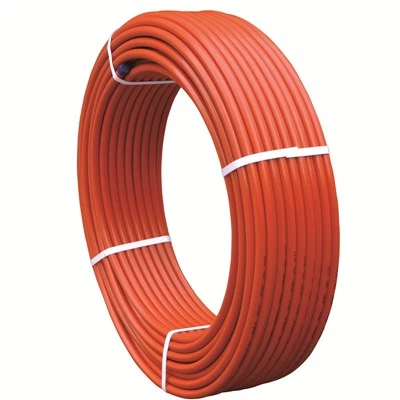
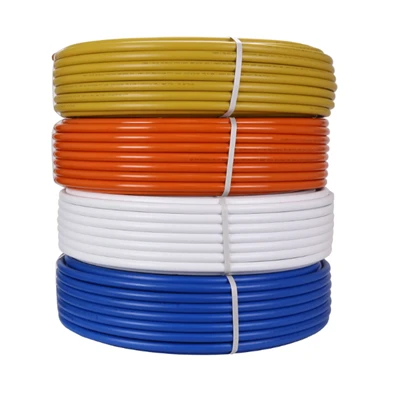


PEX-AL-PEX System
What is PERT-AL-PERT Pipe For Hot Water?
PERT-AL-PERT pipe is a type of plumbing pipe specifically designed for hot water applications. It is made from cross-linked polyethylene (PEX) material that offers excellent thermal insulation properties and high resistance to heat. This makes it ideal for use in hot water distribution systems where temperatures can reach up to 110 degrees Celsius. PERT-AL-PERT pipe is often used in conjunction with press fittings, which provide a quick and easy way to join pipes without the need for soldering or gluing.
Made of cross-linked polyethylene (PEX) material, providing excellent thermal insulation properties.
Designed for hot water applications with the ability to withstand high temperatures up to 110 degrees Celsius.
Offers high resistance to heat, making it suitable for use in hot water distribution systems.
Commonly used with press fittings for a quick and easy installation process without the need for soldering or gluing.
Provides a reliable and efficient solution for hot water installations in both residential and commercial settings.
Available in different lengths and diameters to accommodate various plumbing requirements.
Resistant to scale, chlorine, and UV light, ensuring long-lasting performance.
Easy to install and manipulate on site, allowing for greater flexibility during installation.
Cost-effective compared to other traditional hot water piping materials.
Requires minimal maintenance and is durable, offering a long service life.

Main points Application of PERT-AL-PERT Pipe For Hot Water
PERT-AL-PERT pipes are made of a multilayer composite material, consisting of an inner and outer layer of cross-linked polyethylene (PEX) with an aluminum layer in between. This construction provides excellent durability and resistance to high temperatures, making it suitable for hot water applications.
The aluminum layer in PERT-AL-PERT pipes acts as a barrier, preventing oxygen and other gases from permeating into the pipe. This feature is particularly important in hot water systems, as it helps reduce corrosion and prolongs the life of the system.
PERT-AL-PERT pipes have low thermal expansion characteristics, which means they can withstand the temperature fluctuations commonly experienced in hot water systems without compromising their structural integrity. This feature ensures a reliable and leak-free operation, even in demanding conditions.
The smooth inner surface of PERT-AL-PERT pipes minimizes friction and pressure loss, enabling efficient water flow in hot water systems. This allows for quicker heating times and better overall system performance.
PERT-AL-PERT pipes have excellent resistance to chemicals commonly found in hot water systems, such as chlorine. This chemical resistance ensures that the pipes remain durable and unaffected by the water quality, ensuring long-lasting performance.
PERT-AL-PERT pipes are lightweight and flexible, making them easy to install and maneuver in various construction projects. This flexibility allows for easy routing around obstacles and reduces the need for additional fittings, making the installation process more efficient and cost-effective.
PERT-AL-PERT pipes offer exceptional durability and longevity, even under high pressures and temperatures. This makes them suitable for both residential and commercial hot water applications, ensuring reliable and efficient performance for years to come.
PERT-AL-PERT pipes comply with international standards and regulations for hot water systems, ensuring their reliability and safety. They undergo rigorous testing and certification processes to meet the highest quality standards, providing peace of mind to both installers and end-users.
Measure and Cut: Measure the required length for the PERT-AL-PERT pipe and cut it using appropriate tools.
Prepare the Fitting: Choose the correct fitting for the job, such as an elbow or T-fitting, and prepare it by cleaning the surface and checking for any defects.
Insert the Pipe: Slide the end of the PERT-AL-PERT pipe onto the prepared fitting until it reaches the stop.
Apply Press Tool: Use a press tool to secure the fitting to the pipe by applying even pressure around the circumference of the pipe.
Check for Leaks: After each connection, check for leaks by applying pressure to the system with water and observing for any drips or leaks.
Repeat Process: Continue measuring, cutting, preparing fittings, inserting pipes, pressing connections, and checking for leaks until the entire hot water system is plumbed with PERT-AL-PERT pipe.
Insulate (Optional): Depending on the application, it may be necessary to insulate the pipes with heat wrap or other insulation materials to prevent heat loss.
Test System: Once all pipes are installed and pressurized, test the entire hot water system to ensure it is functioning properly and delivering hot water where needed.
Document and Clean Up: Document the installation process and clean up any debris or unused materials from the work area.
Final Inspection: Conduct a final inspection to verify that all connections are secure, there are no leaks, and the system is ready for use.

Butt welded aluminum plastic composite pipe is a type of piping material that combines the strength and conductivity of aluminum with the flexibility and corrosion resistance of plastic. It consists of an aluminum core that is encased in a layer of plastic on both the inside and outside of the pipe. The aluminum and plastic layers are joined together through a high-frequency butt-welding process, which creates a permanent bond between the two materials.
Advantages of Butt Welded Aluminum Plastic Composite Pipe
Lightweight: Composite pipes are lighter than traditional metal pipes, making them easier to handle and transport.
Corrosion Resistance: The plastic coating provides excellent protection against corrosion, extending the lifespan of the pipe.
Impact Resistance: Composite pipes are less prone to damage from impacts and bumps, reducing the risk of leaks or ruptures.
Heat Insulation: The plastic layer acts as an insulator, preventing heat loss in hot water systems and reducing condensation on the pipe surface.
Flexibility: Composite pipes are more flexible than rigid metal pipes, allowing for easier installations in tight spaces or curved configurations.
Energy Efficiency: The thermal insulation properties of composite pipes can improve energy efficiency by reducing heat loss in hot water systems.
Noise Reduction: Composite pipes are quieter than metal pipes, reducing noise transmission and vibration.
Wide Temperature Range: Composite pipes can withstand a wider range of temperatures, making them suitable for various applications, including extreme cold or heat.
Easy Installation: Composite pipes can often be installed quicker and with less specialized equipment than traditional metal pipes.
Customizable: Composite pipes can be manufactured in various lengths, diameters, and shapes to suit specific project requirements.
Composition Structure Of Butt Welded Aluminum Plastic Composite Pipe
Aluminum Core: The central component of the pipe is made of aluminum, providing strength and thermal conductivity.
Inner Plastic Layer: One side of the aluminum core is covered with a layer of plastic, such as polyethylene or polypropylene, which comes into direct contact with the fluid being transported.
Outer Plastic Layer: The other side of the aluminum core is also covered with a layer of plastic, which serves as a protective barrier against external factors like corrosion and mechanical damage.
Weld Seam: The aluminum and plastic layers are joined together at the edges through a high-frequency butt-welding process, creating a seamless and leak-proof connection.
Smooth Lining: The inner surface of the pipe is typically smooth, reducing friction and allowing for more efficient flow of fluids.
Anti-corrosion Treatment: Some composite pipes may undergo additional surface treatments to enhance their resistance to corrosive environments.
Reinforcement: In some cases, the aluminum core may be reinforced with fibers or other materials to increase its structural integrity and load-bearing capacity.
Color Coding: To aid in identification and differentiation, the outer plastic layer may be colored according to industry standards or specific project requirements.
Joint Connections: Composite pipes can be joined using various types of connectors, such as flanges or couplings, depending on the application and installation needs.
Overall Structure: The composite pipe forms a robust and durable tubular structure that combines the benefits of aluminum and plastic in one product.
The Materials Used In The Construction Of Butt Welded Aluminum Plastic Composite Pipe


Aluminum: The primary material of the core, providing structural strength and excellent thermal conductivity.
Polyethylene (PE): A common type of plastic used for the inner layer, which comes into direct contact with the transported fluid.
Polypropylene (PP): Another type of plastic sometimes used instead of PE for the inner lining, offering similar properties but with potentially higher chemical resistance.
Polyethylene Terephthalate (PET): This material may be used for the outer layer in some applications, providing enhanced durability and resistance to environmental stress.
Polyvinyl Chloride (PVC): Occasionally used as an alternative to PE or PP for the inner layer, particularly in applications where the fluid being transported requires a certain level of chemical resistance.
Polyurethane (PU): This material may be applied as a coating or insulation layer to provide additional thermal insulation properties.
Adhesive: Certain types of adhesive may be used to bond the aluminum core to the plastic layers, ensuring a secure and watertight bond.
Filler Material: In some cases, the space between the aluminum core and the outer plastic layer may be filled with a reinforcing material, such as fiberglass or mineral wool, to enhance the pipe's overall strength and stiffness.
Surface Treatments: The aluminum surface may undergo treatments like anodizing or powder coating to improve corrosion resistance and prepare it for welding.
Coloring Agents: Pigments may be added to the plastic layers to achieve specific colors for identification or aesthetic purposes.
What is PE-AL-PE Water Pipe?
PE-AL-PE water pipe is a specific type of butt welded aluminum plastic composite pipe that is commonly used for the transportation of drinking water and other potable fluids.
Features of PE-AL-PE Water Pipe
Three-layer Construction: Composed of an aluminum core sandwiched between two layers of polyethylene (PE), offering a robust and reliable structure.
High Strength: The aluminum core provides high tensile strength and rigidity, enabling the pipe to withstand heavy pressure and loads.
Corrosion Resistance: The PE layers offer protection against chemical attack and rust, ensuring a long service life even in harsh environments.
Leak Protection: The fusion bonding during manufacturing creates a seamless and leak-proof connection between the layers, minimizing the risk of fluid escapes.
Flexibility: Despite the high strength, PE-AL-PE pipes are flexible enough to adapt to uneven ground surfaces and easy to install in various configurations.
Good Insulation: The PE layers act as an effective barrier to heat transfer, which helps maintain the temperature of the transported water.
Chemical Resistance: The PE layers can resist a wide range of chemicals commonly found in potable water and wastewater, making it suitable for multiple applications.
Joint Connectivity: The pipes can be joined using various types of connections such as electrofusion, butt fusion, flanges, or threaded connections, depending on the specific requirements.
Environmentally Friendly: Made from recyclable materials, PE-AL-PE pipes have a lower impact on the environment compared to traditional pipes.
Wide Range of Sizes: Available in various lengths, diameters, and wall thicknesses to accommodate different project demands and applications.
The Materials Used In The Construction Of Pe-Al-Pe Water Pipe
Polyethylene (PE): This is the primary plastic material used in the inner and outer layers of the pipe. It provides good chemical resistance, flexibility, and ease of fusion.
Aluminum (AL): The middle layer of the pipe is made of aluminum sheeting, which offers high strength and thermal conductivity, enhancing the overall performance of the composite pipe.
Adhesive: An adhesive is used to bond the aluminum layer to the polyethylene layers, ensuring a secure and watertight bond between the materials.
Surface Treatments: The aluminum layer may undergo surface treatments like anodizing or coating to improve corrosion resistance and prepare it for fusion bonding with the polyethylene layers.
Coloring Agents: Depending on the manufacturer and application, pigments may be added to the polyethylene layers to achieve specific colors for identification or branding purposes.
Reinforcement: Some PE-AL-PE pipes may include a reinforcing material, such as fiberglass or polyester mesh, between the aluminum core and the outer PE layer to enhance the pipe's structural integrity.
Fusion Welding Equipment: Specialized equipment is used to fuse the PE layers together and to the aluminum core, creating a seamless and leak-proof joint.
Testing Chemicals: Before use, the pipes might be tested with specific chemicals to ensure they meet the necessary safety standards and certifications for potable water applications.
Standards Compliance: The materials used in PE-AL-PE pipes must comply with relevant international standards, such as ISO, ASTM, and DIN, to guarantee quality and safety.
Recyclability: The materials used in PE-AL-PE pipes are generally recyclable, contributing to sustainability and environmental conservation efforts.
Maintenance Tips for PE-AL-PE Water Pipe
Regular Inspections: Conduct visual inspections of the pipes to check for any signs of damage, such as cracks, kinks, or dents.
Leak Detection: Use appropriate tools and methods to identify and promptly repair any leaks to prevent further damage and water loss.
Cleaning: Regularly clean the pipes to remove sediment buildup, debris, or other contaminants that may affect the flow rate and pressure.
Proper Installation: Ensure the pipes are installed correctly according to manufacturer specifications to avoid potential issues later.
Burial Depth: Maintain appropriate burial depth for the pipes to protect them from mechanical damage and environmental effects.
Avoid Sharp Objects: Keep sharp objects away from the area where the pipes are laid to prevent punctures and tears.
Use of Proper Tools: When working with the pipes, use tools specifically designed for the material to avoid damaging the pipes.
Repairs: Make sure repairs are carried out quickly and professionally to prevent further deterioration and ensure the integrity of the pipe system.
Documentation: Maintain accurate records of inspection reports, maintenance schedules, and repair activities for future reference and planning.
Training: Ensure personnel who handle the pipes are adequately trained to recognize potential problems and perform routine maintenance tasks.
Our Factory
We deliver at mass volumes thanks to the efficiency of more than 100 employees working on 12 pipe production lines (4 lines for PPR pipe, 3 lines for Overlapped Ultrasonice welding PEX-AL-PEX pipe, 3 lines for butt-welded PEX-AL-PEX pipe and 2 lines for single-layer PEX/PERT pipe) and 100+ injection machines, forging machines and CNC machines for plastic and brass fitting. Production capacity reaches 100 containers of pipes per year and 100 tons of fittings per month.

FAQ
As one of the leading pex-al-pex system manufacturers and suppliers in China, we warmly welcome you to wholesale cheap pex-al-pex system made in China here from our factory. All our products are with high quality and low price. Contact us for pricelist.
PEX System