


|
Thread |
BSP, METRIC (MM), NPT, MPT, UNC, BSW, UNF or any special threads as per customer specifications |
|
Color |
Brass Natural, Electro Tinned, Nickel, Chrome, Silver, Zinc Blue or any special finish/plating as per customer specifications. |
|
Temperature rating |
-65℃≤T≤250℃ |
|
Size |
1/2" ~ 4" |
|
Application |
●Copper tube ●Brass tube ●Aluminum tube ●Plastic tube with insert ●Steel tube |
|
Package |
according to customer's requirement |
Products Description
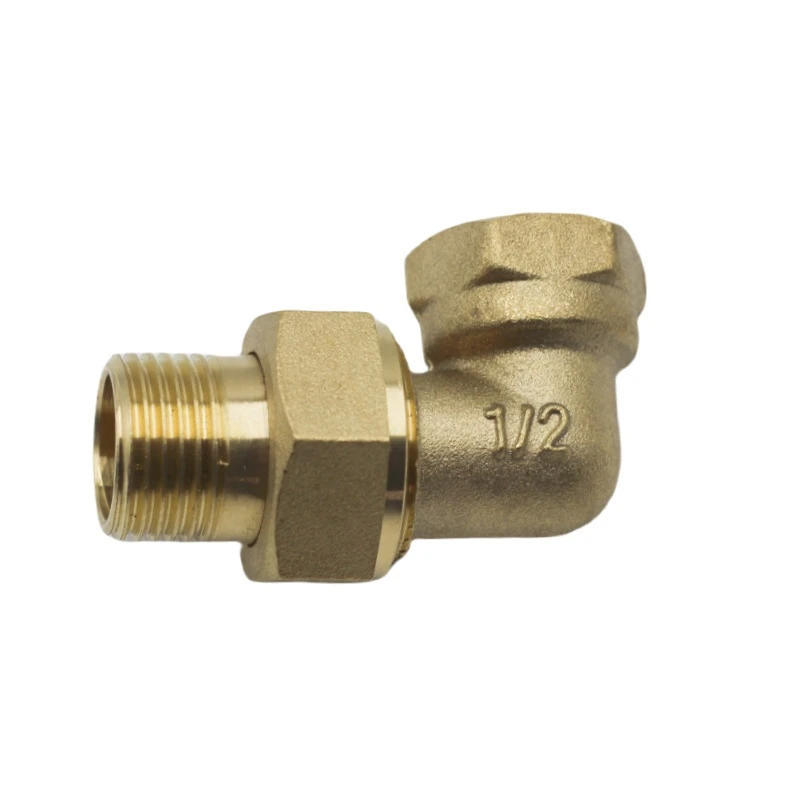
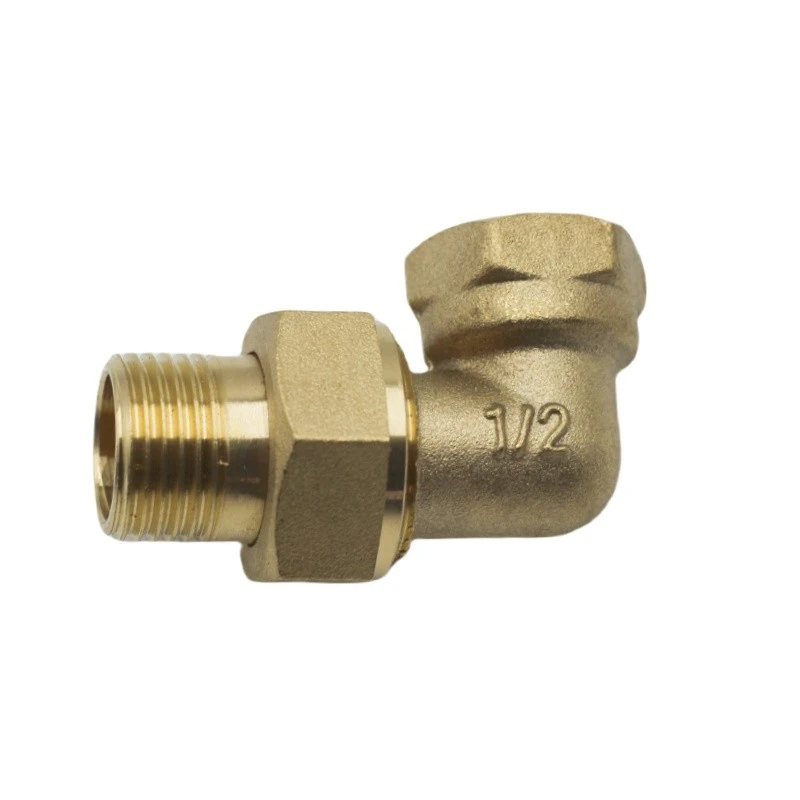
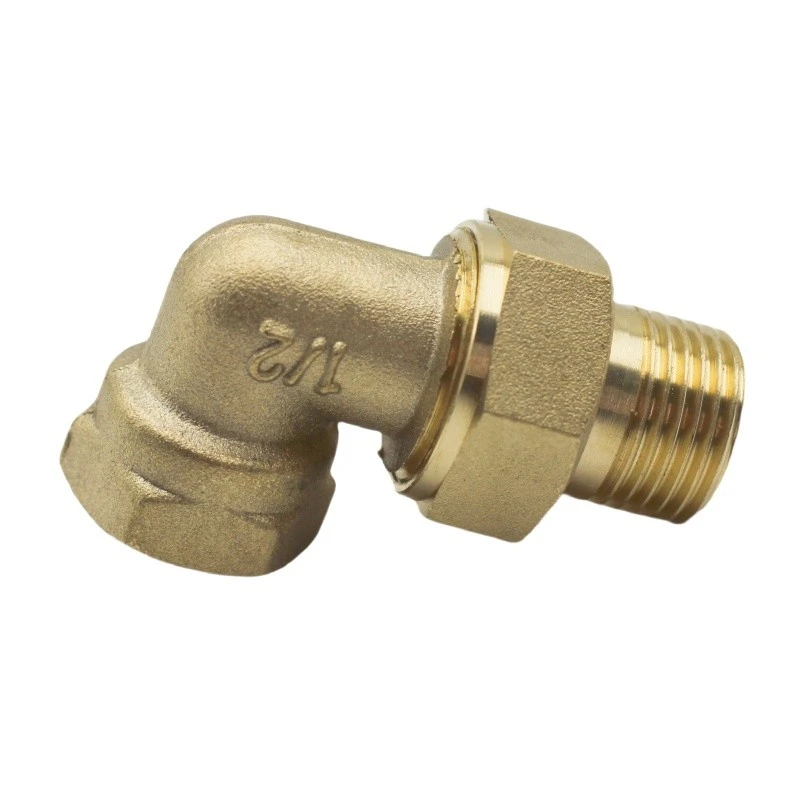
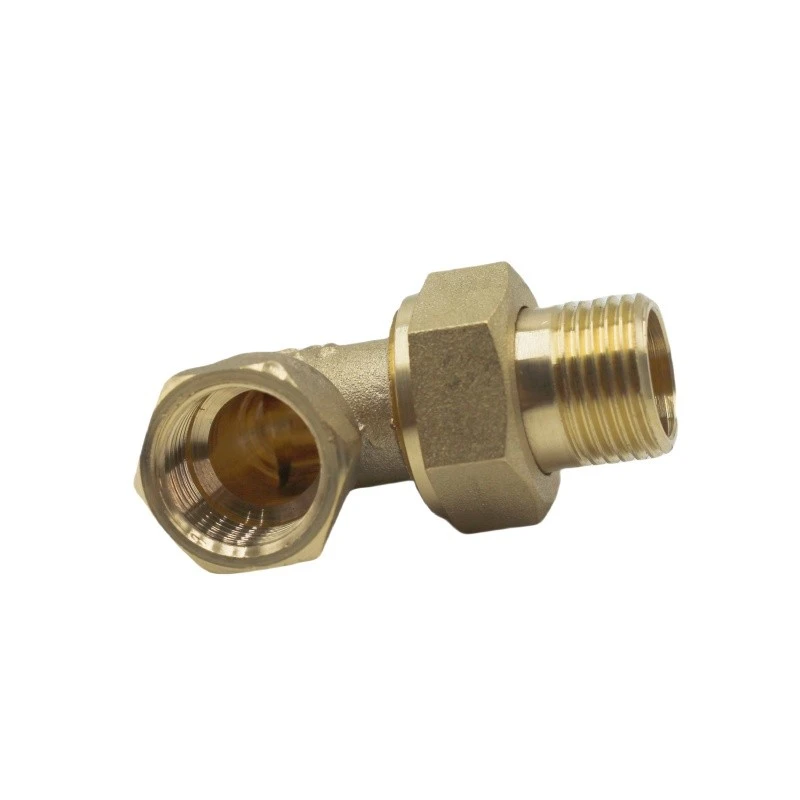
Brass Elbow with Extension is an important accessory for pipe connection. Due to the good physical and chemical properties of copper, copper pipes and their accessories are widely used in heating systems and water supply systems. The main brass classification is introduced in detail:
common brass
Common brass is an alloy of copper and zinc. When the zinc content is less than 35%, zinc can dissolve in copper to form single-phase a, called single-phase brass, good plasticity, suitable for hot and cold pressure processing. When the zinc content is 36% to 46%, there is a single phase and β solid solution based on copper and zinc, called biphase brass, β phase makes the brass plastic reduction and tensile strength increase, only suitable for hot pressure processing. If the mass fraction of zinc continues to increase, the tensile strength decreases and has no use value. The code is denoted by "H + number", where H stands for brass and the number represents the mass fraction of copper. For example, H68 indicates brass with a copper content of 68% and zinc content of 32%, and casting brass is preceded by a "Z", such as ZH62. For example, Zcuzn38 indicates cast brass with a zinc content of 38% and a margin of copper. H90 and H80 belong to single-phase brass, golden yellow, so there is a common gold name, called coating, decoration, medal and so on. H68, H59 are biphase brass, widely used in electrical structures, such as bolts, nuts, washers, springs and so on. Under normal circumstances, single-phase brass is used for cold deformation processing and biphase brass is used for hot deformation processing.
lead brass
Lead is actually insoluble in brass and distributed on the grain boundary as a free particle. Lead brass has two types, α and (α+β), according to its organization. Because of the harmful effect of lead, the high temperature plasticity is very low, so it can only be cold deformation or hot extrusion. (α+β) lead brass has good plasticity at high temperatures and can be forged.
one-ton brass
Adding tin to brass can significantly improve the heat resistance of the alloy, especially improve the ability to resist seawater corrosion, so tin brass is called "navy brass". Tin can dissolve into the copper base solid solution and play the role of solid solution strengthening. However, with the increase of tin content, there will be a brittle r phase (CuZnSn compound) in the alloy, which is not conducive to the plastic deformation of the alloy, so the tin content of tin brass is generally in the range of 0.5% to 1.5%. Commonly used tin brass are HSn70-1, HSn62-1, HSn60-1 and so on. The former is an α alloy with high plasticity and can be processed by cold and hot pressure. The latter two grades of alloy have (α+β) two-phase structure, and often appear a small amount of r phase, room temperature plasticity is not high, can only be deformed in the hot state.
manganese brass
Manganese has a high solubility in solid brass. Adding 1% to 4% manganese to brass can significantly improve the strength and corrosion resistance of the alloy without reducing its plasticity. Manganese brass has an (α+β) structure, commonly used HMn58-2, cold and hot pressure processing performance is quite good.
Iron brass
In iron brass, iron is precipitated by iron-rich particles, which is used as a crystal nucleus to refine the grain, and can prevent the recrystallization grain growth, so as to improve the mechanical and technological properties of the alloy. The iron content in iron brass is usually less than 1.5%, and its organization is (α+β), with high strength and toughness, good plasticity at high temperature, and deformation under cold conditions. The common brand is Hfe59-1-1.
nickel brass
Nickel and copper can form a continuous solid solution and significantly expand the α phase region. The addition of nickel to brass can significantly improve the corrosion resistance of brass in atmosphere and seawater. Nickel can also increase the recrystallization temperature of brass, prompting the formation of finer grains. HNi65-5 nickel brass has a single-phase α structure, has good plasticity at room temperature, and can also be deformed in hot state, but the content of impurity lead must be strictly controlled, or it will seriously deteriorate the hot working performance of the alloy.
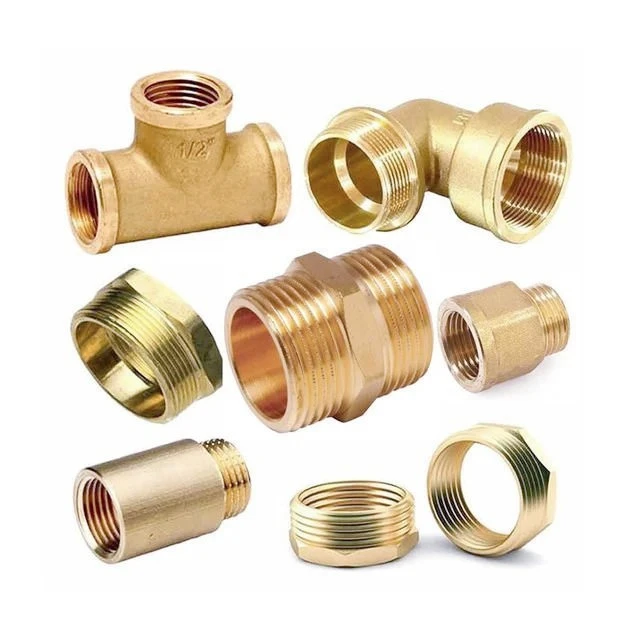
Hot Tags: brass elbow with extension, China brass elbow with extension manufacturers, suppliers, factory


