




Product Overview
|
Material |
Random Polypropylene |
|
Size |
full 20mm through 63mm available |
|
Pressure Rating |
2.5MPa or other nominal pressures availale upon request |
|
Installation |
Welding, fusion |
|
Color |
white, green, gray, or customized color |
|
Joint |
Joining pipe and socket joint fittings by socket fusion joint |
|
Packing |
Export package or as customer's request |

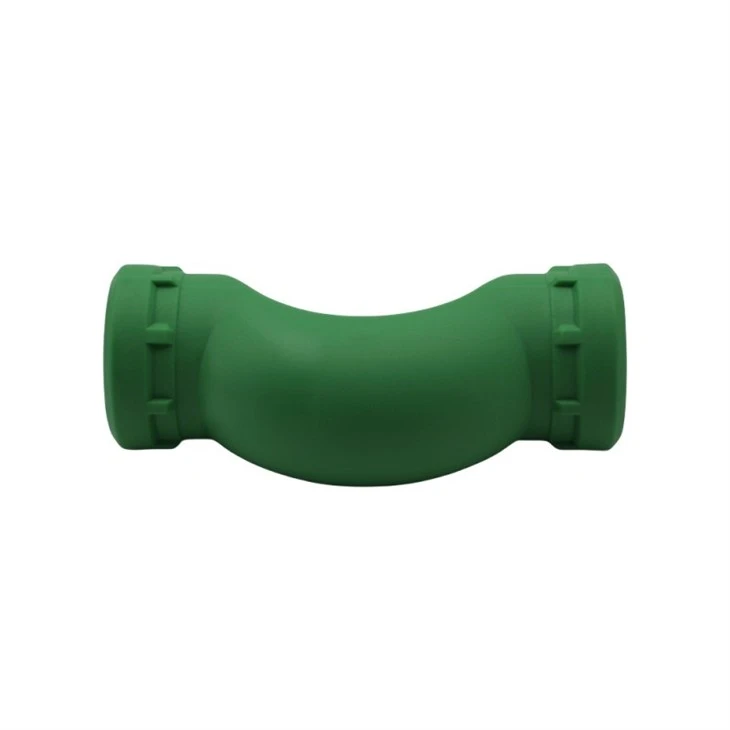
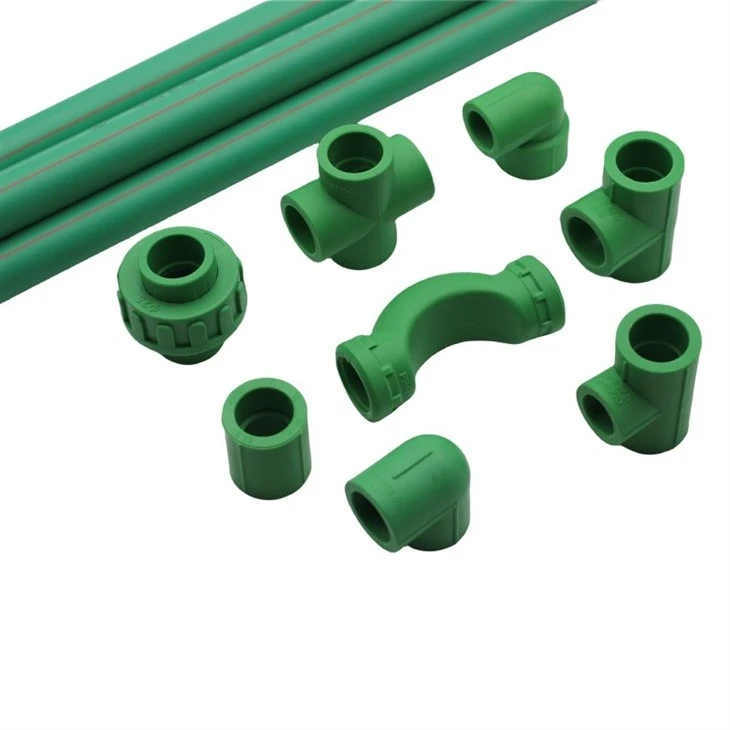
PPR bending is used as a connection transition between cross pipes in the pipeline system, reducing the height and extrusion of pipe overlap, reducing the risk of water leakage, avoiding construction obstacles caused by pipeline superposition, and PPR bending can effectively eliminate pipeline tension.
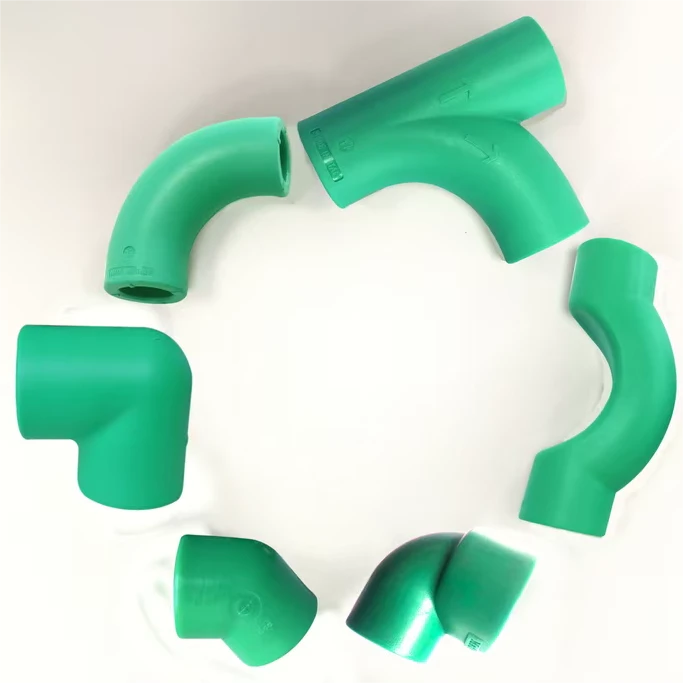
Here are the main categories for PPR over bends:
Single Plane Over Bends
The outlet of single plane over bends remains in the same plane as the inlet. They offset parallel misaligned pipes. Angle choices are typically 30, 45, and 90 degrees.
Double Plane Over Bends
Double plane bends transition in both the vertical and horizontal axes at once. This allows connecting pipes with complex angular and spatial misalignments.
Reducing Over Bends
A reducing over bend mates pipes of two different sizes. Typical configurations include reducing one or both dimensions.
Pneumatic Over Bends
Pneumatic PPR over bends use an internal air cavity and polyurethane membranes to provide flexible, dampened dynamic offset compensation between pipes.
Over bends serve important purposes connecting and routing PPR piping:
Compensating for Miscaligned Pipes
The core purpose of over bends is to join misaligned straight pipe runs that intersect at angles and offsets in installations.
Making Transitions in Tight Spaces
Since over bends do not require large radius bends, they facilitate transitions in tight areas with space constraints.
Dynamic Vibration Reduction
Pneumatic over bends absorb vibrations and oscillations between pipes, protecting against fatigue failures.
Retrofitting Existing Systems
Over bends can adapt new PPR additions to interface with legacy steel, copper, and PVC layouts.
Noise and Cavitation Reduction
The angular contours inside over bends lower noise and minimize cavitation compared to tight elbow miter joints.
Material Transitions
Over bends may connect different piping materials like PPR to stainless steel or provide diameter differences.
Specific precautions for installing over bends:
1. Try to make the over bend installed on the cold water pipe for transition
2. Note that the concave part should face upward, and the convex part should face the ground or the wall (cut a hole in the wall and put the convex part in it)
3. Make the over bend consistent with the PPR pipe plane;

As an innovative manufacturer of high-performance plumbing products, Zhuji Primy Pipe Co., Ltd. offers a full line of PPR pipes and fittings crafted to deliver strength, ease of use and an attractive appearance.
Working from a complete plumbing system, we map out each stage of the process from initial inquiry to final sale and dispatch. we focus on understanding each client's unique needs and offer customized solutions to ensure satisfaction from all our clients.
Hot Tags: PPR plastic over bend, China PPR plastic over bend manufacturers, suppliers, factory


